

How Many Backlinks Should a Website Have? Build Backlinks Like a Pro
Listen to this article
Browser-native voice. No account required.
Key Takeaways:
A homepage should have at minimum of 50 to 70 high-quality backlinks from unique referring domains
Internal pages need 10 to 100+ backlinks depending on keyword difficulty and niche
Quality, relevance, and authority matter more than quantity
Each backlink should reinforce your site’s topical authority and entity relevance
You probably saw articles claiming you “need 300 backlinks to rank #1.” Total crap. That’s agency bait. I’m Bart, and I tell things straight: backlink quantity is less scary than people make it.Real data from Ahrefs shows that for top‑10 ranking pages in competitive niches (legal, finance, health), a homepage often has 50-80 referring domains. In less aggressive niches (local services, crafts), you’ll see 20-40 solid domains.
To fully grasp how critical backlinks are, consider this: How Many Backlinks Should A Website Have? The answer varies, but knowing the right amount can set you on the path to success.
Here’s what matters:
Referring domains not raw backlink count. One link from a .edu or major industry site crushes fifty spammy ones.
Topical relevance = must. If you’re selling vegan shoes, links from food blogs are okay. Podcasts about composting? Even better.
Authority metrics like DR (Domain Rating), TF (Trust Flow), or DA (Domain Authority) help. But don’t worship them. They’re signals, not gods.
You don’t want mountains of useless links. You want a compact arsenal of smart, relevant backlinks that reinforce your entities. That’s how NLP engines see you as an authority. That’s how Google builds the Knowledge Graph around you.
For an in-depth look at ethical link-building practices, check out our guide on white-hat link-building.
Backlinks Needed: Homepage vs Internal Pages
If your homepage were a movie lead role, it deserves more spotlight. Internal pages (services, blog posts, landing pages) are supporting cast. Both matter. But they need different backlink budgets.
Here are real benchmarks + entity/NLP context to help you set goals that aren’t delusional.
Benchmarks from Big Data
Semrush finds that pages ranking #1 often have 200+ referring domains, while those around ranking #10 tend to have fewer than 80.
LinkDoctor reports: many sites aiming for solid performance should target 50‑100 referring root domains as an initial goal.
In less competitive niches, homepages sometimes succeed with 20‑40 quality domains, especially when those are highly relevant and authoritative. (Based on case studies and SEO reports.)
These numbers reflect referring domains (unique external sites linking to you), not raw backlinks. That distinction matters. NLP models and Google’s entity graphs care more about domain diversity than link spam.
Goals by Page Type
How Entity Relevance & NLP Shift This
These days Google’s NLP systems and Knowledge Graphs expect entities (people, places, organizations, topics). If your backlinks and referring domains mention or relate entities strongly, you can often get away with fewer backlinks.
A single article backlink that includes your niche entities (e.g. “Austin family law”, “Texas legal services”) may punch harder than 10 generic “SEO blog” links.
Anchor text that signals entities (aliases, locations, roles) improves topical authority.
Internal linking that amplifies entity relevance (connecting your service page to blog posts that mention the same entities) reduces dependency on external backlinks.

Backlink Benchmarks by Niche and Business Type
Based on internal reviews of hundreds of live ranking pages and backlink audits across major verticals, here’s what real-world backlink profiles look like. These aren’t guesses. They’re observed ranges you can build toward.
What These Benchmarks Imply
These aren't set‑and‑forget goals. They depend on competition level, keyword difficulty, entity/authority signals already present, and content quality.
The more saturated your niche, the more referring domains and higher authority domains you’ll need.
New websites or local businesses get away with fewer referring domains if those domains are very relevant and authoritative.
For strategies to build an impactful link profile, see our article on the 7 Fundamentals Every Link Building Strategy Needs.

Why More Backlinks Doesn’t Always Mean More Rankings
More is better, right? Tell that to the site with 3,000 backlinks and no rankings. They’re probably still refreshing Search Console like it owes them money.
Backlink count is a vanity stat. What matters is the context those links create.
Google’s algorithms (and yes, its army of machine-learning models) aren’t toddlers clapping every time they see another backlink. They’re context machines. They ask:
Does this link confirm the site’s topic?
Is it from a source that matters in the niche?
Is the anchor text part of a natural entity cluster?
You can have 500 backlinks and still get outranked by a site with 27 if theirs make more semantic sense. Think relevance, not raw count.
Common Pitfalls That Burn Link Equity:
Same anchor text spammed across 50 links
Google smells it. You look like you're begging.Links from irrelevant niches
A pet grooming blog linking to your B2B SaaS site? Great. Now you confuse crawlers and dilute your Knowledge Graph footprint.Low DR + zero-traffic domains
If no one visits the site linking to you, that link’s doing cardio, not SEO work.Paid link farms
If you’re buying links from lists shared on Reddit or “guest post marketplaces,” Google already bought that list before you did. You're feeding their spam classifier.
If you want link-building that won’t get you slapped by Google, read our no-BS guide to white-hat link-building.
How to Build Backlinks That Actually Move Rankings
You don’t need backlinks.
You need believable backlinks (ones that Google wants to see).
Here’s the problem: 90% of sites chasing backlinks are either:
Buying garbage from recycled blog networks, or
Churning out guest posts with anchor text so forced it could break a hip.
Neither builds topical authority. Neither survives a manual review. Neither gets you on the Knowledge Graph.
Let’s fix that.
Here’s What Actually Works:
Add internal links on the publisher’s site that support your content (this makes your link more natural in the structure). to a greater emphasis on obtaining high-quality backlinks from reputable sources rather than accumulating a high volume.
Link Intersect Analysis
Use tools like Ahrefs or Semrush. Find who links to 2–3 of your competitors but not you.
That’s your hit list. These sites are pre-qualified - they link to content like yours.
Entity-Relevant Outreach
Pitch articles that support your core entities (not just keywords).
Example: You’re a family lawyer in Austin. Instead of “5 Reasons to Hire a Lawyer,” offer “How Custody Law Changed in Texas (And What Parents Need to Know).”
Build internal links from this content back to service pages with matching entities (like “Texas family law,” “custody lawyers,” etc).
Reverse Engineer Winning Pages
Take the top 3 ranking pages for your keyword.
Export their backlinks. Filter for unique domains, DR 30+, relevant category.
If they got featured in a niche roundup, go get featured too - but with a stronger hook.
Unlinked Brand Mentions
Run a Google search for your brand or author name in quotes.
Email sites that mention you but didn’t link. Offer them something in return: an updated stat, graphic, or expert quote.
These convert fast and reinforce entity relationships between you, your brand, and your niche.
Topical Guest Posts (The Right Way)
Write for sites in your vertical. Not “write for us” spam farms. Real blogs, news outlets, trade journals.
If you’re deciding whether to push harder on guest posting or test niche edit links, our breakdown of guest posts vs niche edits shows when each one makes sense.
Link to contextual pages, not just home or blog.
What Factors Determine How Many Backlinks I Need to Rank?
If you’re looking for a one-size-fits-all backlink number, you’re already doing SEO wrong.
How many backlinks you actually need depends on 4 brutal variables. Miss one, and you’re either wasting money or spinning your wheels.
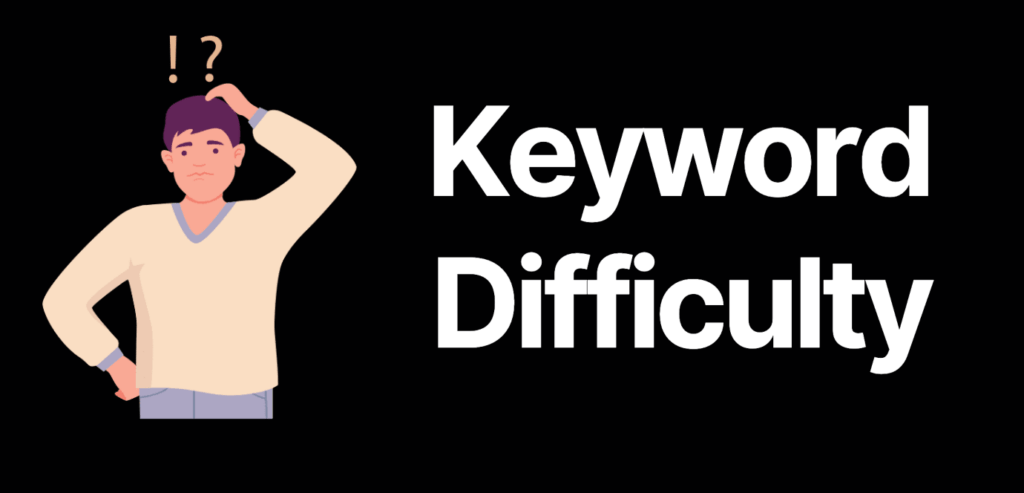
1. Keyword Difficulty (KD)
Not all keywords wear the same armor.
Low-KD (0–20): You might rank with 3-10 solid links and good internal structure.
Mid-KD (21–60): You’ll need 30-100 referring domains, depending on niche.
High-KD (60+): Prepare to bleed. 100-500+ referring domains. And no, they can’t be junk.
Entity angle: Target keywords that align with entities your site already supports. Google will “spend less effort” ranking you if your topical map matches the query intent.
Keyword difficulty (KD) measures how challenging it is to rank for a particular keyword in search engine results pages (SERPs). Several factors influence KD, including:
Keyword difficulty is determined by analyzing these factors to assess how challenging it would be to rank for a particular keyword.
What does influence the keyword difficulty score?
In tools like Ahrefs, KD is calculated by analyzing the backlink profiles of the top 10 ranking pages.
Low-KD Keywords: Less competitive, easier to rank for, and require fewer backlinks.
For new websites, conduct keyword research to find low-KD keywords first. These are easier to target and can help improve rankings faster, skipping the sandbox.
2. Domain Authority / Age / Trust
You don’t need as many links when:
Your site’s been around for 3+ years
You’ve built links from trusted, industry-specific sources
You have a clean internal linking and topical hierarchy
But if you’re new? You’re a stranger. Google needs more proof. That means more links.
Tip: Build authority first around niche-specific, low-KD content. Use those pages to pass internal PageRank.
3. Competitor Link Profiles
Reverse engineer the top 3 ranking pages for your keyword:
How many unique referring domains do they have?
What’s the DR of those domains?
How many links go to their internal pages vs homepage?
If they’re ranking with 60 links and 40% are branded anchors, you don’t need 200 exact-match anchor text backlinks. You need context.

4. Content Quality + Internal Linking
Content and backlinks are married. If your content sucks, no link will save you.
But if it’s strong (real answers, clean headers, helpful media, solid UX) you can often outrank with fewer backlinks.
Internal links matter too:
Link related pages using entity-driven anchor text
Funnel authority from high-link pages to high-converting pages
Bonus: Sites that rank with fewer links usually have tighter internal maps and stronger semantic connections.
Still want a magic number?
Audit your page. Check the top 3 competitors. Now ask:
Do I deserve to outrank them?
If not, get to work.

Backlink Strategy Implementation Checklist
You’ve got the theory. Now here’s how to make it real. No fluff. No guru hacks. Just what works.
Step 1: Know Your Current Backlink Profile
Run a backlink audit in Ahrefs, Semrush, or Majestic
Filter by: Unique referring domains Top-linked pages Anchor text spread Toxic links (yes, remove them)
Red flag: 80% of links go to your homepage? You’re starving your inner pages.
Step 2: Map Your Entity-Relevant Pages
List core pages that need authority (money pages, lead magnets, flagship content)
Assign target entities per page (tools, roles, services, locations, outcomes)
Build topical clusters around them with internal links
Step 3: Build Your Link Targets
Use Link Intersect tools to find missed opportunities
Scrape “best X in [industry]” lists in your niche
Collect unlinked brand mentions using Google Alerts or Mention
Bonus: Build a private list of journalists and bloggers who cover your space.
Step 4: Pitch Like a Pro (not a Bot)
Personalize every pitch: show them the page, compliment the structure, suggest your addition
Link to something relevant: no random homepages
Follow up once. Not seven times. Don’t be desperate.
Step 5: Track Real Impact
Watch these KPIs monthly: Growth in referring domains Traffic to linked pages Keyword rankings tied to those pages
Don’t just track links. Track what those links change.
For more insights on crafting an effective link-building approach, check out these essential strategies for a successful link-building plan.
FAQ
How many backlinks do I need to rank on Google?
It’s not a fixed number. It depends on how tough your keyword is, who you’re up against, and how useful or relevant your content is. Some pages get by with 10 great links. Others need dozens or hundreds. Look at what’s ranking now. Decide what you can beat.
Do more backlinks always mean better rankings?
Nope. More links won’t help if they’re from spammy places, irrelevant sites, or they use obvious anchor text. It’s like loud vs credible. Loud might grab attention momentarily, but credibility wins long term.
Can I rank without backlinks?
Yes, but mostly in low-competition or long-tail topics. If the search term is specific, your site is well-structured, content is good, internal links are smart (you might get into top spots even without many external links). But for most competitive stuff, you’ll need some outside support.
What’s more important: domain authority or relevance?
Relevance. A domain with high authority helps, sure. But if it isn’t in your niche or talking about things related to yours, its value drops fast. A lower-authority link from a site deeply connected to your topic often carries more weight.
How many backlinks should my homepage have?
A good rule of thumb: 40–80 referring domains is solid for many niches. If your field is crazy competitive, aim higher. If it’s local or narrow, fewer but better links will do. What matters more than “how many” is “where from” and “how related.”
What kind of backlinks help the most?
Backlinks that come from sites people care about, sites within your niche. Links that are natural, with anchor text that makes sense. Links that come with traffic, not just empty citations. A link from a respected niche blog with relevant content beats a random directory link any day.
Should I remove bad backlinks?
Yes, if they look bad. If they’re from spammy networks, irrelevant sites, or have weird anchor text. One or two won’t kill you. But a bunch of bad links can drag you down - either in trust or in how Google perceives relevance.
How fast should I build backlinks?
Slow and steady wins. Build links at a pace that makes sense, maybe 5‑10 solid referring domains/month for smaller sites, more for bigger brands. Don’t try to fake it. Sudden spikes look unnatural. Google tracks link velocity (yes, really).Google that you’re here to lead (not follow).
Bart Magera
Founder of Mojo Links. 10+ years in SEO across YMYL verticals.
Related posts
Keep reading on adjacent topics.

The Perfect Backlink Audit Guide - Do It the Right Way
Think your backlinks are helping you? Prove it. Most websites are sitting on a pile of link rot. Old junk. Toxic links. Stuff search engines side-eye while tanking your search rankings behind the scenes. This backlink audit guide is not a theory lesson. It’s your hands-on…

Link Building Statistics 2025: 50 Data Points SEOs Can’t Ignore (unless They Want to Stay Broke)
Forget what some AI bro told you in a Discord.Backlinks still matter. They always did. Despite Google’s PR spin about "great content" and "helpful updates," every serious SEO knows the game runs on links. Real links. From real sites. With real authority. The difference now? It’s…
How to Check Backlinks Manually (yes, Without a Damn Tool)
Wondering how to check backlinks manually? Good. Because while everyone's busy worshipping overpriced SEO tools, you're about to learn how to do it the real way - eyes on source code, fingers on keyboard, no AI fluff or fake numbers. If there's a backlink out there pointing to…
Want this kind of analysis on your site?
Get a free video walkthrough within 48 hours covering technical health, backlinks, content gaps, and AI visibility.